Virtual Reality: A new way of designing for architects
According to a website called Virtual Reality Society, virtual reality comes from the combination of the definition of the word ‘virtual’ and ‘reality’. Virtual means near and reality is something that humans experience. Therefore, virtual reality is near-reality. In technological terms, it is a three dimensional computer generated environment that a person can interact and explore. When a person enters this world they can manipulate objects to move and perform various actions(Virtual Reality Society, 2017). There are a rage of equipments and systems use to achieve this, like headphones, gloves and an omni-directional treadmill. As we use our senses to learn about the real world, these equipments are used to stimulate our senses to create the illusion of reality. Also, this may cause people to get motion sickness. Virtual reality is achieved through the combination of hardwares, softwares and sensory synchronity (Virtual Reality Society, 2017).
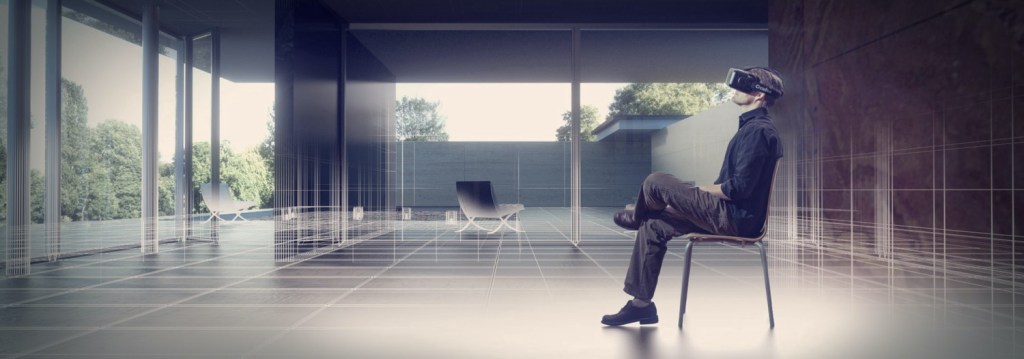
Virtual reality is used for many purpose, while their potential in entertainment is clear, they are also used for other purposed like medicine, architecture and sports. People using VR ranges from trainee fighter pilots to trainee surgeons as VR allows us to make virtual mistakes and take risks so we can gain experience for the real world (Virtual Reality Society, 2017).
Virtual reality has many advantages for architects and designers ranging from design collaboration to adding finishing touches for the design to look better. An architech greatest challenge is to work with a client and be able to convince the client that the design works. Virtual reality helps clients explore the representaion of a room or building better than floor plans and 3D rendering (TMD STUDIO LTD, 2017).
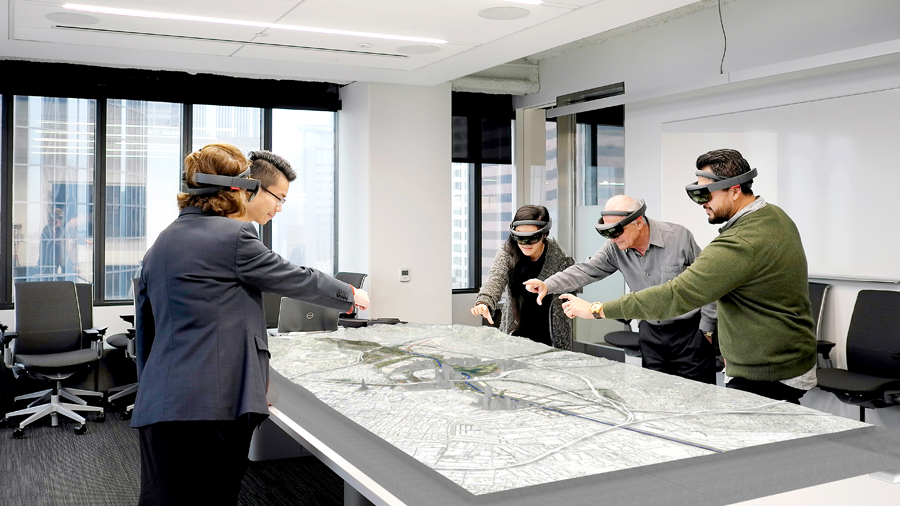
There are many benefits in using virtual reality in architecture. One is its low start up cost. For internal presentation and walkthrough, a VR setup would cost around 8000$ and for architects, to win over a client is money well spent. Second is to gain competitive edge. This is for architects to use during pitching. What will win over the client? Floor plans and 3D rendering or an interactive virtual reality design? Third, is to avoids revisions. When a clients have a chance to see what their building or room look like, they can point out their like and dislikes. This means time spent going to and from re-doing plans will decrease. Last is that virtual reality duplicates the real world, this can help architect plan additional things such as, emergency escape routes, proportions, aesthetics of the building(TMD STUDIO LTD, 2017).
References
TMD STUDIO LTD. (2017, 1 22). Virtual Reality Uses in Architecture and Design. Retrieved from Medium: https://medium.com/studiotmd/virtual-reality-uses-in-architecture-and-design-c5d54b7c1e89
Virtual Reality Society. (2017). What is Virtual Reality?Retrieved from Virtual Reality Society: https://www.vrs.org.uk/virtual-reality/what-is-virtual-reality.html
 nydetnet's MIS304